
Donate
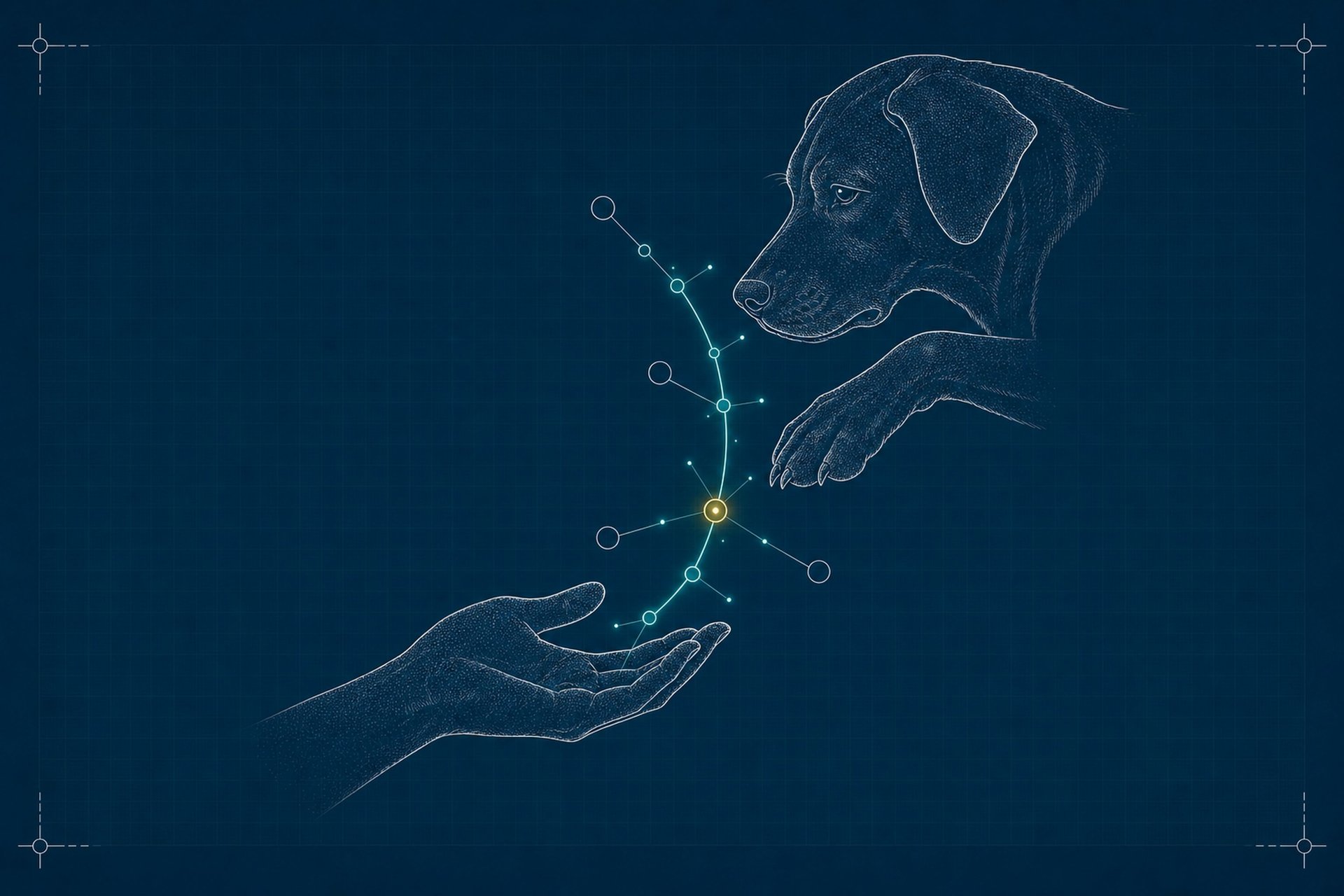
Schematic blueprint illustration of a human hand and a dog's head and paw reaching toward each other through the center of the frame, joined by a glowing connection line.

Partners Dogs Foundation

Better futures, built together.

We develop resources and innovative technologies to improve the lives of dogs, parents, and the professionals that support them.

Three ways we work

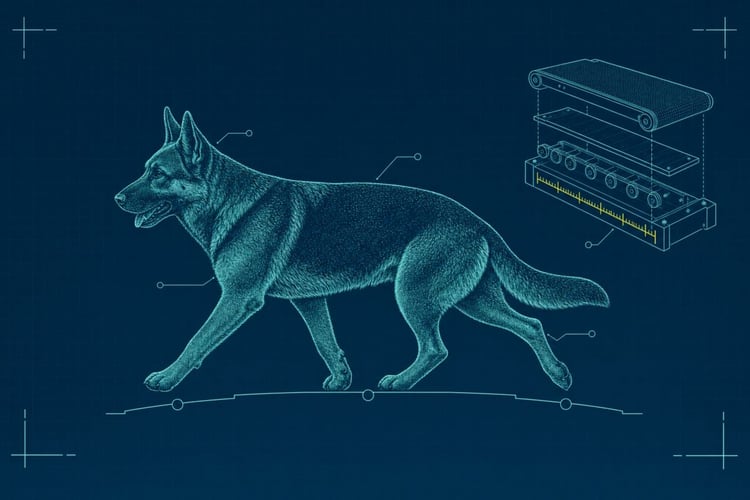
Schematic blueprint illustration of an adult German Shepherd-type dog in a walking pose above a stepped care-bridge arc, beside an exploded-view treadmill plate with a yellow tick-mark scale.

Rehabilitation Grants

Grants that help dogs in need of professional training and rehabilitation reach it, when cost or circumstance would otherwise stand in the way.
Explore rehabilitation grants
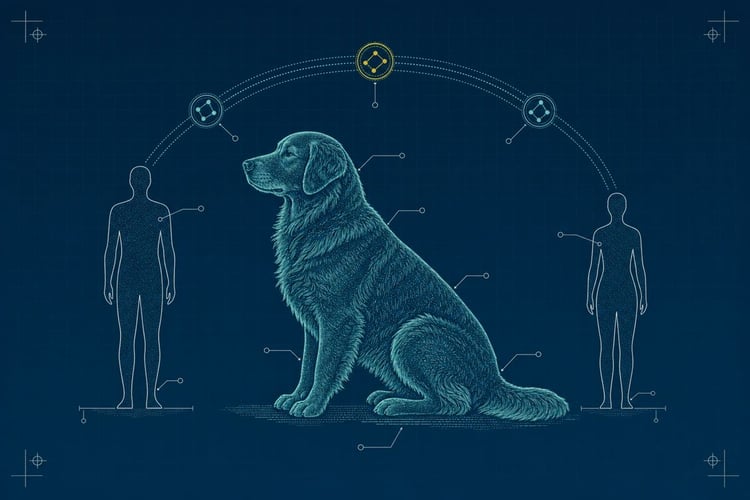
Schematic blueprint illustration of an adult Golden Retriever-type dog seated between two abstract mentor and mentee figure-silhouettes, connected by a knowledge-transfer arc of data-constellation nodes overhead.

Professional Education

Grants that help emerging and current animal professionals access affordable, high-quality education in dog training, behavior, and care.
Explore professional grants
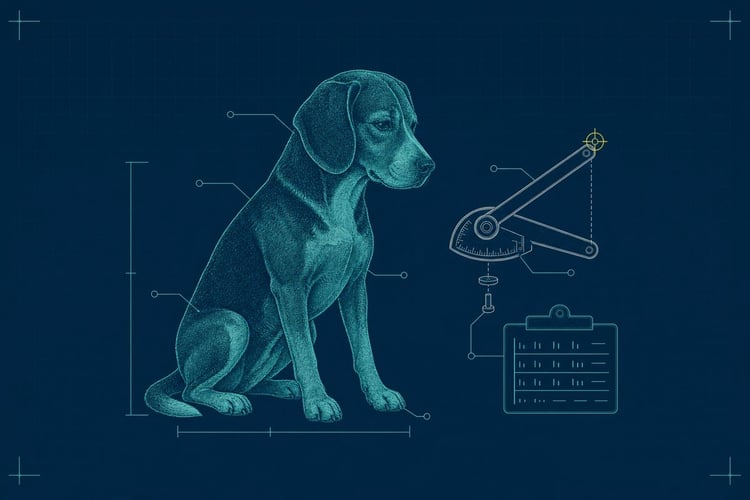
Schematic blueprint illustration of an adult Beagle-type dog seated beside a goniometer measuring instrument with a yellow target reticle and an abstract protocol card.

Research & Innovation

Investment in research into dog behavior and genetics, aimed at predicting a dog's health and behavioral needs early enough to build a personalized care plan.

Explore research

The giving cycle

How the Foundation works

One continuous loop connects everyone who gives or serves to the dogs, families, and professionals the Foundation supports.

  1. You give or serve

    A one-time gift, a monthly gift, or a volunteer commitment starts the cycle. Every path in feeds the same programs.

  2. Grants fund training, education, and research

    Support is directed to rehabilitation grants, professional education grants, and research into dog behavior and genetics, the three ways the Foundation works.

  3. Outcomes get reported openly

    Every program reports back on what it funded and what changed, with a defined reporting period and a named source behind every public number.

Proof over promise

We are building a transparent impact system that connects every public number to a reporting period, a program definition, and a source.
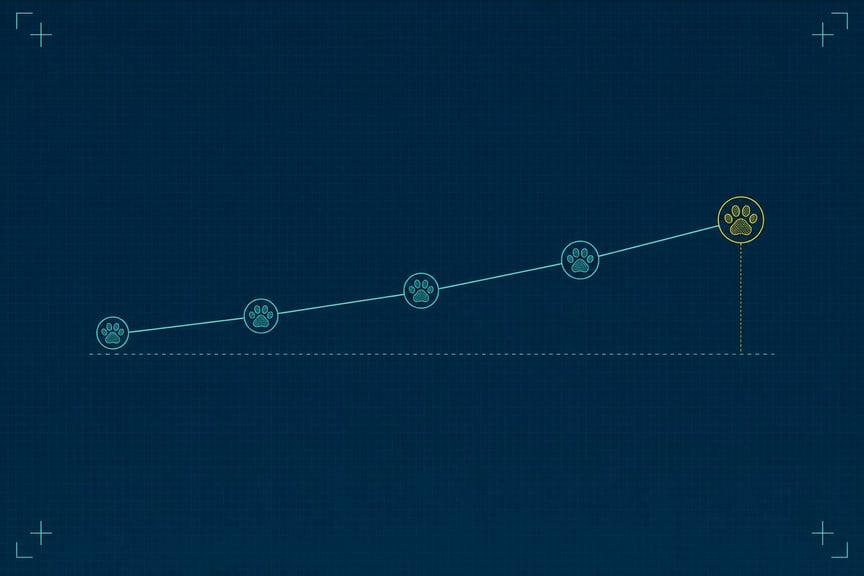
Schematic blueprint illustration of a rising trend line built from five paw-print data nodes, the highest node highlighted in yellow, on a flat navy field with corner registration marks.

As programs go live, this section will show real figures: dogs and families served, grants awarded, service hours contributed, and funds directed by mission pillar, each with its own definition, reporting period, and source. Until then, this section stays honest about what we do not yet have to show.

Family history

Part of the Partners Dogs family

Partners Dogs Foundation grew out of Partners Dog School, which has trained 70,000+ dogs since it opened in 1997, 28 years of program history. That history sits inside a small family of programs: PartnersDogs.com is the core, training dogs and the families who love them; Partners Dogs University is the brain, building shared knowledge for the field; and the Foundation is the heart, funding the grants, education, and research that help more of that work reach the people who need it.
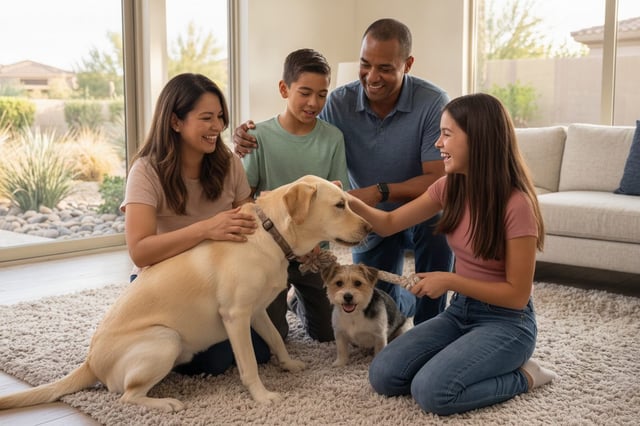
A family sits on a living-room rug petting an adult yellow Labrador and a small terrier mix.

Current opportunities

Active campaigns fund a specific dog, program, or need.
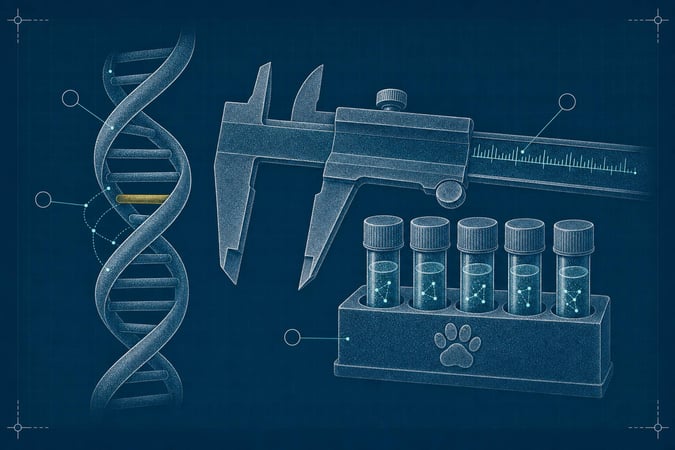
Blueprint schematic of a DNA double helix beside a precision research caliper and five-vial sample rack, all rendered in dense engraved-stipple texture, with a thin HUD tick-mark scale along the caliper and one helix rung highlighted in yellow.
Active

Research & Innovation Fund

Support research and development into dog behavior, genetics, and technology that improves care, training, and quality of life for dogs and the people who love them.

Always-open fund. Every gift is put to work as it arrives.
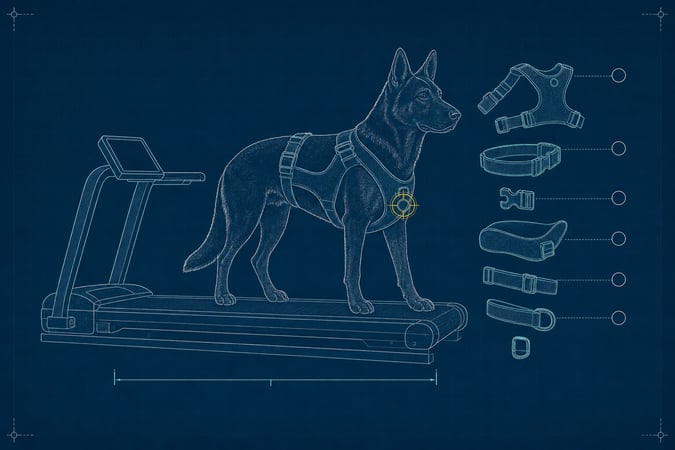
Blueprint schematic of a German-shepherd-type dog on a treadmill wearing an exploded-view support harness, composed with generous top and bottom margin so the ear tips and treadmill console survive a 16:9 crop.
Active

Rehabilitation Grants Fund

Support dogs in need of professional training and rehabilitation. This fund covers assessment, structured training, and coordinated care for cases that need more than a single intervention.

Always-open fund. Every gift is put to work as it arrives.
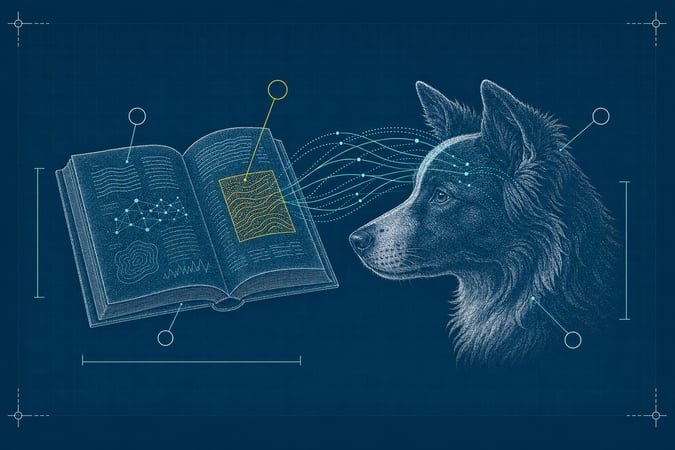
Blueprint schematic of an open book beside a Border Collie's head, connected by knowledge-transfer arcs, rendered in engraved-stipple texture with one page highlighted in yellow.
Active

Professional Education Fund

Support animal professionals pursuing continuing education in behavior modification, pet care, veterinary support, working-dog handling, rescue work, and related fields.

Always-open fund. Every gift is put to work as it arrives.
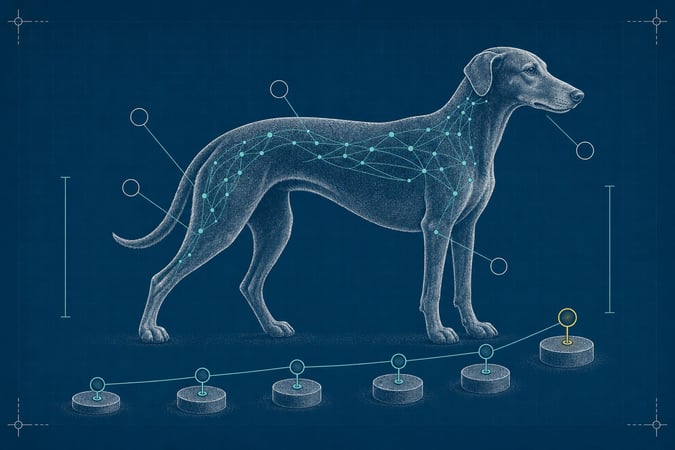
Blueprint schematic of a lean adult sighthound-type dog fully rendered in solid engraved-stipple coat texture, standing atop a six-milestone rising path of platform pods, a data-node constellation overlay on top of the solid coat.
Active

Sponsor a Dog's Journey

Monthly support that carries one dog through professional training and back to a thriving life with their family or a family waiting to welcome them.

Rehabilitation Grants

Always-open fund. Every gift is put to work as it arrives.
Blueprint schematic of a shield outline built from twelve solid engraved-stipple paw-print medallions linked by a thick teal cable, with one medallion highlighted in yellow.
Active

General Fund

Support wherever the need is greatest across rehabilitation, professional education, and research.

Always-open fund. Every gift is put to work as it arrives.
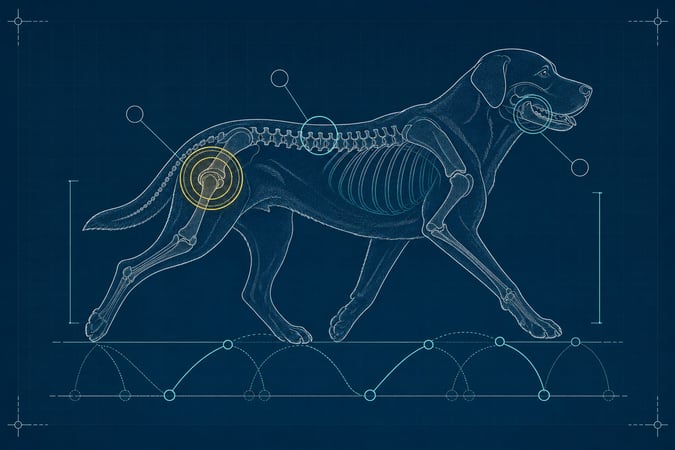
Blueprint schematic of an adult dog in side profile with hip, spine, and jaw pain-point callouts and a gait arc tracing its motion path.
Active

The Hidden Pain Project

Aggression, fear, avoidance, and sudden training regression may sometimes signal physical pain rather than a behavior problem. This research investigates how often undiagnosed pain drives behavior concerns and builds practical screening tools for families, trainers, and veterinarians.
Research & Innovation
$0 raised of $25,000 goal
0% funded
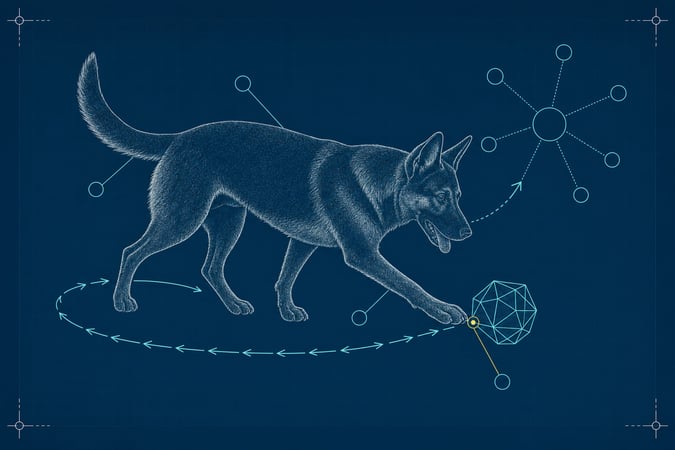
Blueprint schematic of a confident adolescent German-shepherd-type dog approaching a small geometric object, ears forward and tail carried high, with an approach-vector arrow field and a radiating socialization-pathway node web.
Active

The Confident Puppy Project

Families and breeders get conflicting advice about puppy socialization: what to expose puppies to, how fast, and when it becomes too much. This research studies which humane socialization methods most reliably produce adaptable, resilient adult dogs.
Research & Innovation
$0 raised of $20,000 goal
0% funded
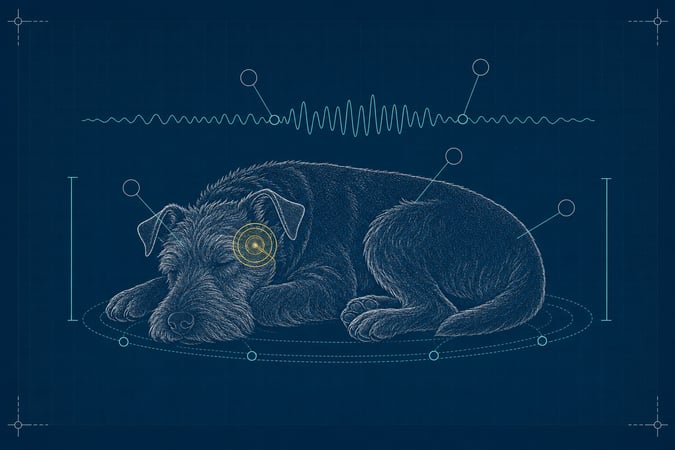
Blueprint schematic of a small terrier-type dog curled asleep with an EEG-style sleep wave trace above it.
Active

The Canine Sleep and Learning Project

Training programs track cues, repetitions, and technique closely, but far less attention goes to what happens after a lesson ends. This research studies how sleep quality and rest timing shape memory, emotional regulation, and long-term training success.
Research & Innovation
$0 raised of $10,000 goal
0% funded
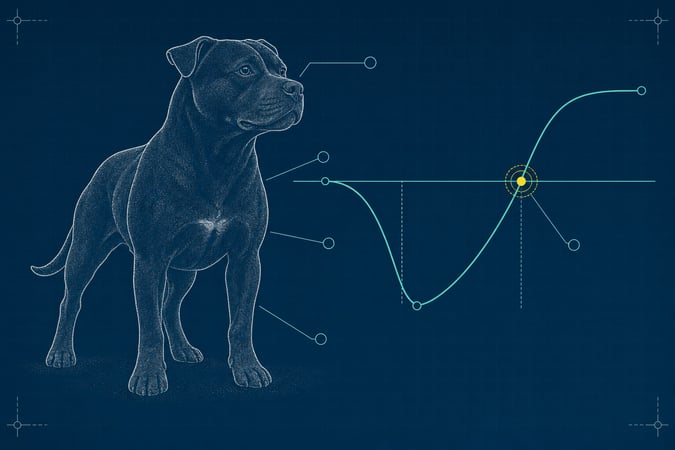
Blueprint schematic of a confident short-coat bully-type dog standing beside a stress-recovery curve that dips at a stressor node and rises above baseline, with a yellow highlight on the recovery-crossing point.
Active

The Resilient Dog Project

Dogs facing the same stress or environmental change often respond very differently. This research studies the factors that help dogs recover and tests humane interventions designed to strengthen resilience.
Research & Innovation
$0 raised of $15,000 goal
0% funded
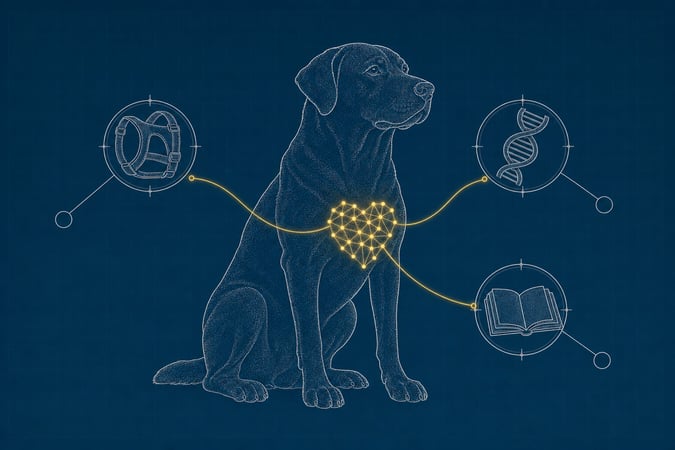
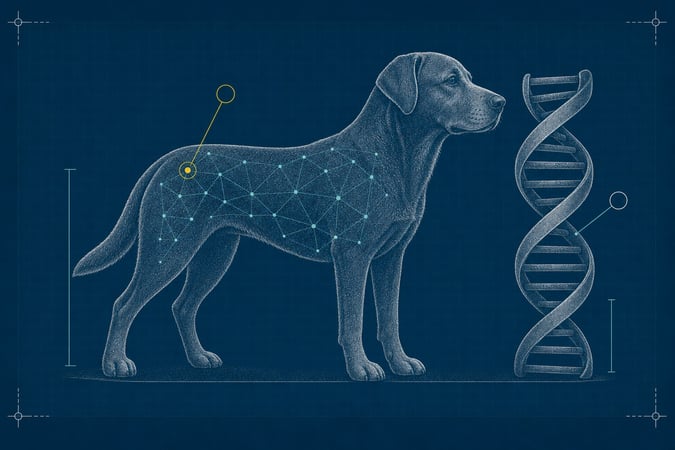
Blueprint schematic of a DNA double helix beside a standing Labrador-type dog fully rendered in solid engraved-stipple fur texture with a triangulated data-node overlay on top, one flank node highlighted in yellow with its own empty callout circle.
Active

The Dog Behavior Genome and Life Experience Project

A dog's behavior cannot be explained by breed, genetics, training, or life experience alone. This global research project studies how biology, genealogy, health, environment, and training interact to shape each dog's individual behavior.

Research & Innovation
$0 raised of $15,000 goal
0% funded

Get involved

Ways to help

Every gift and every hour of service moves a program forward.

Volunteer

Offer time, skills, or professional expertise to training, rehabilitation, research, education, mentoring, or outreach work.

Explore volunteer roles

Questions

Questions before you give or apply

Answers on giving, grants, and getting involved. See all questions

What if I have an emergency involving my dog?

This form is not continuously monitored and does not provide emergency veterinary, public safety, crisis, or animal-control response. Use the appropriate local emergency resource when immediate action is required.

How do I make sure my message reaches the right Foundation team?

Choose the reason you are contacting us, such as grants and applications, a rehabilitation referral, a donation question, or a partnership, so your message reaches the right reviewer.

General Fund

Give

Be part of the first grant cycle

The Foundation's first cycle of rehabilitation grants, professional education grants, and research support starts with the people who show up now. A gift or a volunteer commitment today helps set that first cycle in motion.