Partners Dogs Foundation
Invest in a professional, strengthen a field.
Professional Grants help eligible people access education, mentorship, tools, and development that can grow their career and expand the quality of support available to dogs and communities.
Quick answer
What is a Professional Grant?
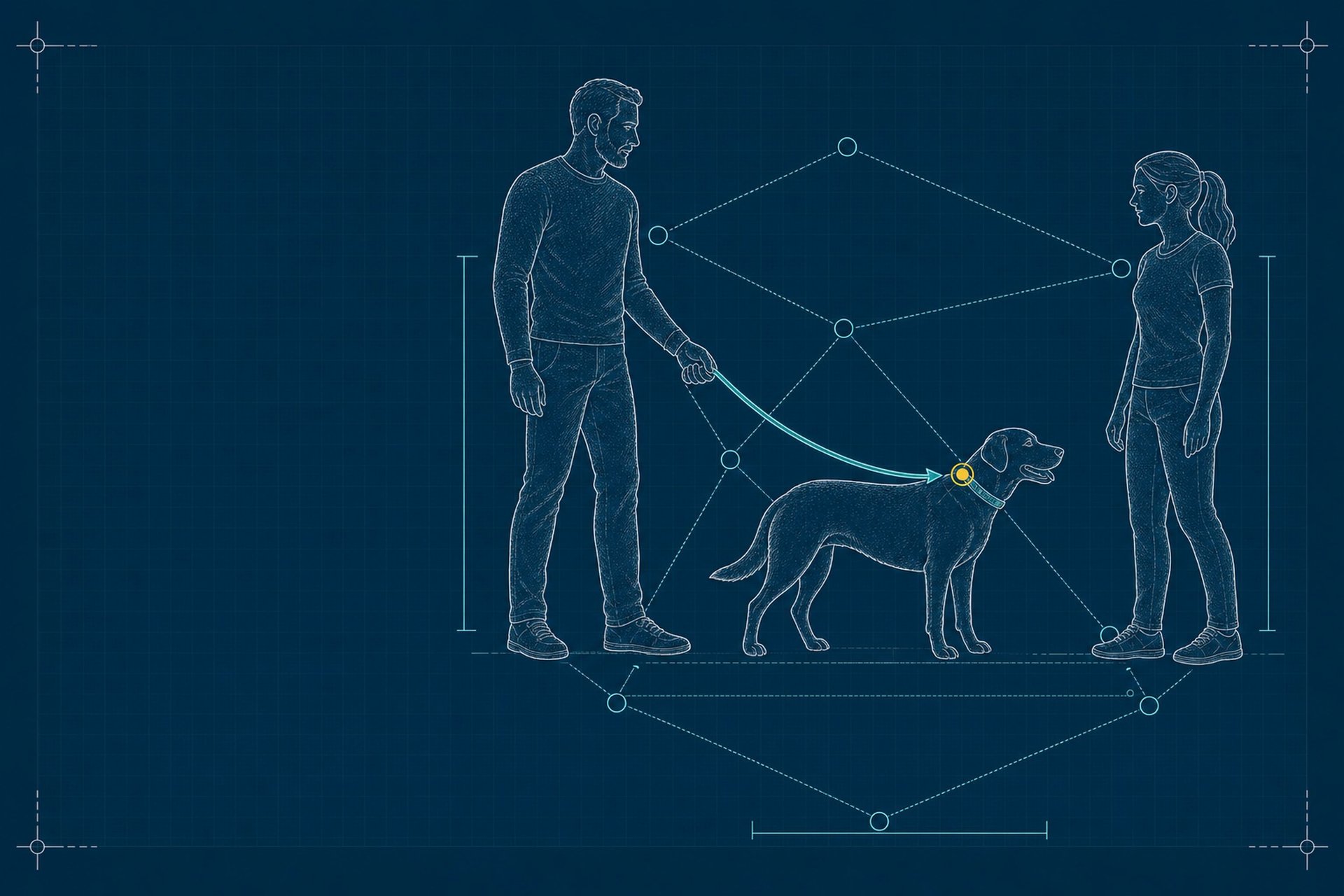
A Professional Grant is a documented award that helps an eligible animal professional cover a specific cost, tuition, materials, equipment, mentorship, or travel, tied to their development. Many Professional Grants include a Pay-It-Forward Service Commitment: approved, unpaid service that applies the recipient’s developing skills to a real community need.
Talent is not the same as access. A capable future trainer, behavior professional, educator, researcher, or rehabilitation partner may be ready to grow but unable to absorb the full cost of the next step. A grant removes part of that barrier; the service commitment, where required, is designed to multiply it outward.
Eligibility depends on the specific program open at the time you apply, and checking eligibility returns “likely fit,” “not eligible,” or “staff review needed,” never a final decision. The signed award agreement, not this page, controls exact terms.
From application to follow-through
Every Professional Grant moves through the same four stages, whatever the specific program or amount.
-
Apply
Submit the eligibility check, then the full application for the program that fits.
-
Review conversation
A program lead, and additional reviewers for larger requests, may reach out with questions before a decision is made.
-
Decision
Every application gets a documented decision in writing: approved, waitlisted, declined, or a request for more information.
-
Follow-through and reporting
Approved awards move into the agreement, any Pay-It-Forward Service Commitment, and the reporting that keeps the Foundation accountable.
Structured learning
Coursework, seminars, and case review
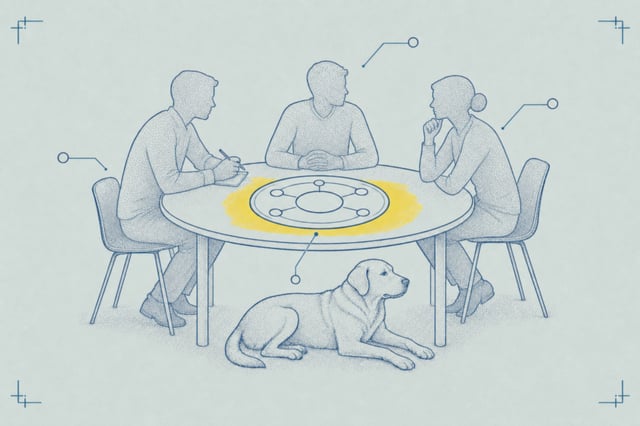
Not every hour a Professional Grant funds happens one-on-one. Structured coursework, seminar attendance, and case-study review build the same career capability alongside other students working toward similar goals.
What a grant may support
Program-specific eligible expenses may include:
Tuition or program fees.
Required learning materials.
Approved equipment.
Examination or credential expenses.
Mentorship or supervised practice.
Approved travel or lodging.
Research or project materials.
Accessibility accommodations.
Other costs specifically approved in the award.
The signed award agreement controls. Costs incurred before approval may be ineligible unless the program specifically allows them.
What reviewers look for
- A clear professional direction.
- Evidence of readiness and follow-through.
- A credible education or development plan.
- A meaningful community need or potential contribution.
- A reasonable budget and realistic timing.
- References or evidence appropriate to the award level.
- Awareness of safety, ethics, and scope of practice.
- A practical Pay-It-Forward Service plan, when the program requires one.
Respectful access
The Foundation does not assume every applicant has the same schedule, health, geography, transportation, caregiving responsibilities, or professional network. Applicants can describe practical constraints and request reasonable alternatives. Service plans can include remote work, research support, curriculum development, mentoring, outreach, or fundraising when in-person training service is not a good fit. See how the Pay-It-Forward Service Commitment works.
In practice
What a grant supports, day to day
A Professional Grant becomes real in mentorship sessions, supervised practice hours, and the small moments where a new skill gets tested with a real dog and a real handler. The Pay-It-Forward Service Commitment, where one applies, turns that same growing skill back outward.

Two kinds of applicants, one review process
Professional Grants are built around people building capability, not organizations. In practice, that tends to look like:
Practicing and future professionals
Trainers, behavior consultants, care providers, and educators building practical capability in the field, whether they are early in their career or adding a new specialization.
Researchers and rehabilitation partners
People developing research skills, mentorship capacity, or rehabilitation expertise as a specific, named part of their professional growth.
Not sure which one describes you? Check eligibility for a quick read, guidance rather than a decision.
Eligibility
Check your eligibility for a Professional Grant
A few quick signals before you start a full application. This is guidance, not a decision.
You have a clear professional direction in dog training, behavior, care, or a related field
Likely a fit
You can describe the specific role, credential, or specialization you are working toward.
Needs a closer look
If your direction is still forming, the Contact page can help you find a good starting resource.
You have a specific, program-eligible cost to cover
Likely a fit
Tuition, required materials, mentorship, approved travel, or another cost named in a specific program’s award agreement.
Needs a closer look
Costs incurred before approval may not qualify; check the specific program’s page before you apply.
You can commit to the Pay-It-Forward Service Commitment, if the program requires one
Likely a fit
You have realistic time and a category of service in mind, including remote options.
Needs a closer look
Accommodation requests are reviewed individually if your schedule, health, geography, or caregiving responsibilities make standard service difficult.
This checklist gives a quick read, likely fit, not eligible, or staff review needed. It offers guidance, not a decision. No single factor guarantees an award. Final eligibility and award decisions are made by the Foundation’s program staff after a full review.
Not ready to apply, or the program is not open yet?
Professional Grant applications are not open for public submission at launch. Leave your email and the Foundation will let you know the moment this program opens for applications.
We only use your email to notify you about Professional Grant openings. No spam, no sharing.
A tiered review, matched to the size of the request
No single person decides a Professional Grant alone. Review scales with the size and complexity of the request:
Program lead review
A Foundation program lead reviews every application against that program’s published eligibility and selection criteria.
Additional reviewers
As the requested amount grows, one or more additional reviewers weigh in before a decision moves forward, so no single reviewer carries a larger request alone.
Board involvement
Foundation board members become part of the review for the largest awards, adding a final layer of oversight before funding is finalized.
Specific dollar thresholds for each tier are not published. The review scales with the size and complexity of the request, not a fixed public number, and the signed award agreement, not this page, controls any specific award.
Application journey
How this grant moves through review
Every grant program follows the same eight steps. Programs differ in eligibility and funding range; the process stays the same.
-
Find the most relevant program
Professional Education, alongside Rehabilitation and Research & Innovation, each with its own criteria.
-
Complete an eligibility check
A short set of questions returns likely fit, not eligible, or staff review needed.
-
Create or update your Foundation profile
One profile carries across every program you apply to.
-
Submit the application and supporting information
Save and resume at any point; nothing is lost if you need to step away.
-
Complete clarification or interview steps, if requested
Not every application needs this step.
-
Receive a documented decision
Approved, waitlisted, declined, or a request for more information, always in writing.
-
Review and sign the award agreement, if approved
This document, not this page, controls the specific terms of your award, including any Pay-It-Forward Service Commitment.
-
Complete reports, milestones, and any approved service commitment
The recipient portal tracks progress the whole way through.
Frequently asked
Professional grants FAQ
How do I know if I am eligible for a Foundation grant?
Start with the eligibility check for the program that fits your situation, Rehabilitation Grants, Professional Education, or Research & Innovation. The check returns likely fit, not eligible, or staff review needed. It is a screening step, not a final decision.
What happens next
Where to go next
Pay-It-Forward Service Commitment
Grants overview
How to apply
Contact the Foundation
Give
Help fund the next Professional Grant
Your gift helps eligible professionals reach the education, mentorship, and tools that grow a career and strengthen the whole field.