A structured path for difficult cases.
Rehabilitation is rarely one intervention. It can take safety planning, behavior support, family education, medical coordination, environmental change, placement support, funding, and long-term follow-through, in whatever combination the case actually needs.

Quick answer
How rehabilitation support works
Structured rehabilitation connects safety, training, care, and follow-through for dogs and families facing difficult situations. A referral starts a triage and eligibility review, not an automatic acceptance. Cases that move forward get a documented plan, coordinated services, and progress tracking.
Every accepted case gets a plan built around the specific presenting concerns, whether that is a safety issue, a placement question, a family stability problem, or a combination. The Foundation coordinates the professionals, funding, and follow-through the plan calls for, and tracks milestones and setbacks along the way as closely as the outcome at the end.
Pieces of a rehabilitation case
Depending on what the case actually needs, a Rehabilitation Grant can help fund:
Safety planning for the dog, the family, and anyone else involved.
Structured behavior support with a professional.
Family education, so training holds after the professional leaves.
Medical coordination, when a case has a health dimension.
Environmental changes at home that reduce risk day to day.
Placement support, when a transition is the right outcome.
Funding for structured training and coordinated care.
Long-term follow-through after the active phase of a case ends.
Not every case needs every piece. A case plan is built around what the dog and family actually need, not a fixed package.
Three steps start a case
A referral opens a safety and eligibility review, not an automatic acceptance. Here is what happens, start to finish.
-
1
Refer
Submit a referral using the form below. This opens a safety and eligibility review.
-
2
Review
Foundation staff, and outside professionals where needed, gather information and may reach out with questions.
-
3
Decision & care
Every case reaches a documented outcome. Accepted cases move into a plan, coordinated services, and a follow-up review.
Start a referral
Tell us about the dog and the situation. A Foundation program lead reviews every submission.
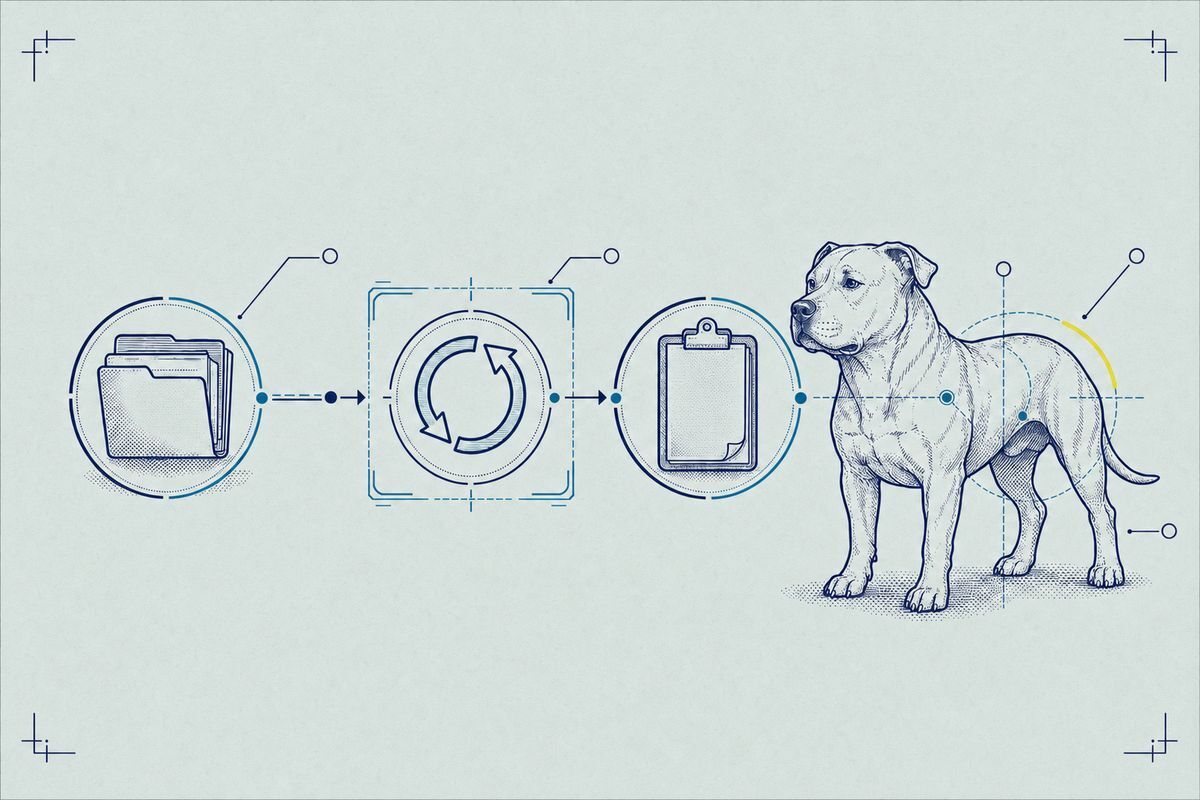
Structured behavior support with a professional is often one piece of a case.
Process
How cases work
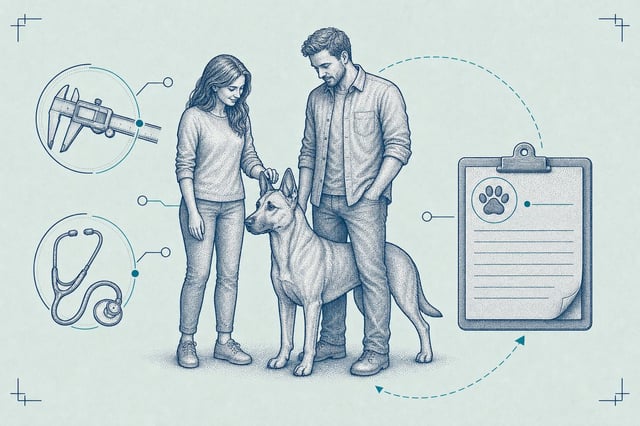
Every rehabilitation referral moves through the same stages, whether it is accepted, referred elsewhere, waitlisted, or declined.
-
Referral and safety triage
A referral opens with a safety check for the dog, the family, and anyone else involved.
-
Initial eligibility and capacity review
Foundation staff review whether the case fits current criteria and available capacity.
-
Information gathering and professional assessment
Staff and, where needed, outside professionals gather the information a sound plan depends on.
-
Acceptance, referral elsewhere, waitlist, or decline
Every case reaches one of four outcomes: accepted, referred to another resource, placed on a waitlist, or declined.
-
Case plan, responsibilities, consent, and funding
Accepted cases get a documented plan that spells out responsibilities, consent, and how funding is applied.
-
Coordinated services and progress tracking
The Foundation coordinates the professionals and services the plan calls for, and tracks milestones and setbacks along the way.
-
Transition, placement, or closure plan
Every plan includes what comes next, whether that is a transition, a placement, or a closure.
-
Follow-up and outcome review
Cases close with a follow-up and an honest review of the outcome.
Families, and the professionals who refer them
A referral can come from the family living with the situation, or from a professional who spots it first.
Families facing a difficult situation
Pet parents dealing with a serious behavior, safety, or placement challenge who need structured, professional support and face a real barrier to reaching it.
Referring professionals
Trainers, veterinarians, and other professionals who spot a case that needs more coordinated support than they can provide alone, and refer it on the family’s behalf.
Shelters and partner organizations
Organizations supporting a dog’s placement or transition as part of a coordinated case plan.
What a case includes
A plan built around the dog and family in front of us
A case plan is built around what the dog and family actually need, not a fixed package. Depending on the situation, that can include safety planning, behavior support, family education, medical coordination, environmental change, placement support, funding, and long-term follow-through.
Throughout a case, the Foundation tracks:
- Presenting concerns and urgency
- Human and animal safety
- Family or placement stability
- Professional and partner involvement
- Approved services and costs
- Milestones and setbacks
- Outcome and follow-up
- Learning that can improve future cases, subject to privacy and consent
A tiered review, matched to the size of the case
No single person decides a rehabilitation case alone. Review scales with the size and complexity of what the case needs:
Program lead review
A Foundation program lead reviews every case against safety, eligibility, and capacity, right after the initial triage.
Additional reviewers
Cases that need more funding, more coordinated services, or carry more complexity bring in one or more additional reviewers before a decision moves forward.
Board involvement
Foundation board members become part of the review for the largest rehabilitation awards, adding a final layer of oversight before funding is finalized.
Specific dollar thresholds for each tier are not published. The review scales with the size and complexity of the case, not a fixed public number, and the documented case plan, not this page, controls any specific award.
FAQ
Rehabilitation frequently asked questions
Who can submit a rehabilitation referral?
Families, rescues, shelters, professionals, and community members can submit a rehabilitation referral for a dog facing behavior, safety, placement, or recovery challenges. You do not need to be the dog's owner to start a referral.
What information do I need to submit a rehabilitation referral?
A referral generally needs a description of the presenting concerns, urgency and safety information, and contact details so the Foundation can begin triage and an eligibility and capacity review.
What should I do if the situation is an emergency?
This page and its referral form are not a continuously monitored emergency service. For an active medical emergency, contact a veterinarian or emergency clinic. For immediate danger to a person or animal, contact the appropriate local emergency or animal-control resource.
Can I refer a dog that is not mine, such as one at a rescue or shelter?
Yes. Rescues, shelters, and professionals working with a dog can submit a referral on that dog's behalf, provided the referral includes accurate information for the review.
How will I know if my rehabilitation referral was accepted?
You will receive a documented outcome from the Foundation: acceptance, referral elsewhere, waitlist, or decline. Accepted cases move into a case plan with defined responsibilities, consent, and funding.
Can I follow up on a referral after I submit it?
Yes. Use the Contact page and choose the rehabilitation referral or case question option to check on the status of a referral you already submitted.
What does Foundation rehabilitation support include?
Structured rehabilitation connects safety, training, care, and follow-through for dogs and families facing difficult situations. A referral starts a triage and eligibility review, not an automatic acceptance. Cases that move forward get a documented plan, coordinated services, and progress tracking.
Does submitting a rehabilitation referral guarantee acceptance?
Submitting a referral does not guarantee acceptance, and this is not an emergency monitoring service. For an active medical emergency, contact a veterinarian or emergency clinic. For immediate danger to a person or animal, contact the appropriate local emergency or animal-control resource.
Give
Fund the next rehabilitation case
Support dogs in need of professional training and rehabilitation. This fund covers assessment, structured training, and coordinated care for cases that need more than a single intervention.
What happens next