Donate

Build knowledge that can improve real decisions.

Partners Dogs Foundation supports responsible research, practical evidence-building, and knowledge-sharing that help families, professionals, and communities make better decisions about dogs.

A researcher observing and recording a dog's behavior during a field study

Quick answer

What Research & Innovation grants fund

Research & Innovation grants fund studies into dog behavior and genetics aimed at predicting a dog's health and behavioral needs early, so families and professionals can build a personalized care plan instead of guessing. Findings that are ready to share get published with their methods and limitations attached.

A study is only useful if its methods, limits, and consent process are clear, and if the results, including the ones that complicate a nice story, get shared honestly. The Foundation separates evidence from marketing on purpose, and credits partners and contributors fairly.

The shape of a typical journey

From proposal to follow-through

A research partnership moves through the same four stages, whatever the size or subject of the study.

  1. Propose

    Submit the eligibility check, then a full proposal describing the study’s method, participants, and timeline.

  2. Review conversation

    A program lead, and additional reviewers for larger or higher-risk proposals, may reach out with questions before a decision is made.

  3. Decision

    Every proposal gets a documented decision in writing: approved, waitlisted, declined, or a request for more information.

  4. Follow-through and reporting

    Approved research moves into the agreement, the study itself, and the reporting that keeps findings honest and shared.

How we work

Research principles

Every study the Foundation funds or conducts is held to the same standing principles.

  1. Practical value

    Ask questions with practical value.

  2. Clear methods

    Define methods and limitations clearly.

  3. Protect participants

    Protect people, animals, and sensitive data.

  4. Consent and review

    Get appropriate consent and review before starting.

  5. Evidence over marketing

    Separate evidence from marketing.

  6. Share honestly

    Share useful results, including limitations and unexpected findings.

  7. Credit fairly

    Credit partners and contributors fairly.

How studies run

Before a citation, structured observation

A funded study starts with sessions like this one: recording behavior, testing a method, and checking that the data actually answers the question being asked. Methods and limitations are documented from the first session, not written up after the fact.
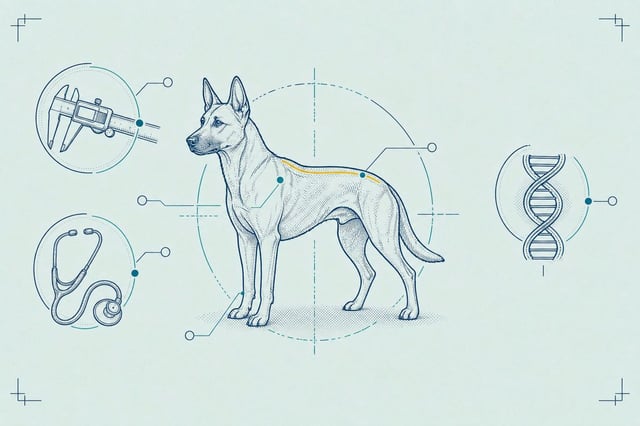
A researcher reviews notes on a tablet while an adult Golden Retriever sniffs a cushion in a bright, modern room.
Structured observation is the first step in every funded study.

Where the Foundation looks

Potential areas

The Foundation is interested in research across several areas of canine behavior, genetics, and welfare:

  • Training and learning
  • Behavior and rehabilitation
  • Professional education and workforce development
  • Family follow-through and long-term maintenance
  • Shelter, rescue, foster, and placement outcomes
  • Public safety and prevention
  • Animal welfare and quality of life
  • Technology and measurement
  • Access barriers and program design
Who typically applies

Researchers, practitioners, and partner organizations

A research proposal can come from inside or outside a lab, as long as the methods and consent process are clear.

Academic and clinical researchers

People proposing a study into dog behavior, genetics, or welfare, with a clear method and a plan to share results honestly.

Trainers and behavior professionals

Practitioners who want to test or contribute practical, field-based evidence alongside their day-to-day work.

Partner organizations

Universities, veterinary programs, shelters, and other organizations proposing or supporting a joint study.

How decisions get made

A tiered review, matched to the size and scope of the proposal

No single person decides a research proposal alone. Review scales with the size, budget, and risk of the study:

Every proposal

Program lead review

A Foundation program lead reviews every proposal against the research principles above: practical value, clear methods, participant protection, and consent.

Larger or higher-risk proposals

Additional reviewers

Proposals with a larger scope, budget, or higher-risk methods bring in one or more additional reviewers before a decision moves forward.

The largest awards

Board involvement

Foundation board members become part of the review for the largest research awards, adding a final layer of oversight before funding is finalized.

Specific dollar thresholds for each tier are not published. The review scales with the size and scope of the proposal, not a fixed public number, and the signed award agreement, not this page, controls any specific award.

Stay informed

Get notified about new research grants

Not ready to propose a study, but want to hear when a new Research & Innovation grant opportunity opens? Leave your email and the Foundation will let you know.

FAQ

Research frequently asked questions

How can I participate in or support a research project?

Depending on the project, participation may include contributing data, taking part in a study, or supporting the work financially through the Research & Innovation Fund. Available ways to take part are listed on the Research page once a project is active.

Can I propose a research partnership or collaboration?

Yes. Researchers, institutions, and professionals can propose a partnership. Use the propose a research partnership option on the Research page to start that conversation.

Will research findings be shared publicly?

Findings that are ready to share are published along with their methods and limitations, not just favorable results. The Foundation separates evidence from marketing and credits partners and contributors fairly.

Does participating in a research project affect other Foundation support my dog receives?

Research participation is separate from grant or rehabilitation support and requires its own appropriate consent and review before it begins. It does not change your eligibility for other Foundation programs.

What protections are in place for people and dogs who take part in research?

Every research project is expected to get appropriate consent and review before starting, protect sensitive data, and define its methods and limitations clearly. The Foundation does not treat research participants' information as public.

What do Research & Innovation grants fund?

Research & Innovation grants fund studies into dog behavior and genetics aimed at predicting a dog's health and behavioral needs early, so families and professionals can build a personalized care plan instead of guessing. Findings that are ready to share get published with their methods and limitations attached.

Is a research project listed here a finished, peer-reviewed conclusion?

A research project on this page is a proposal or an active study, not a finished, peer-reviewed conclusion, unless stated otherwise with its source.

Research & Innovation Fund

Give

Fund research that improves real decisions

Support research and development into dog behavior, genetics, and technology that improves care, training, and quality of life for dogs and the people who love them.

Give

How campaigns fund research

Some research initiatives are funded through a named giving campaign: a specific project, a clear story, and progress you can actually see. When a study needs focused support beyond the general Research & Innovation Fund, it can run as its own campaign.
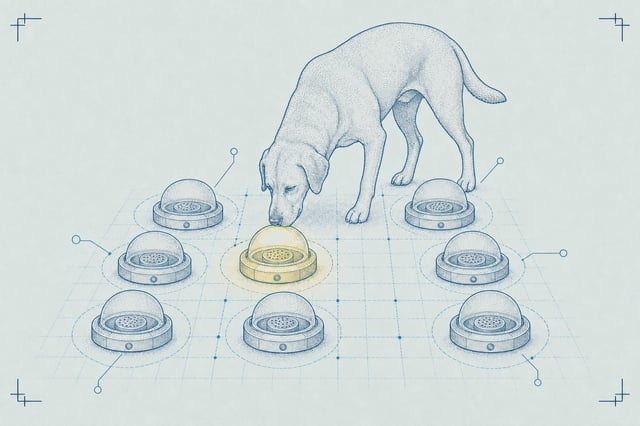
A researcher in a field hat takes notes on a clipboard while an adult Golden Retriever noses through a grid of scent-test domes in a grassy field.
Field research: another way a study can be structured and funded.