

Donate
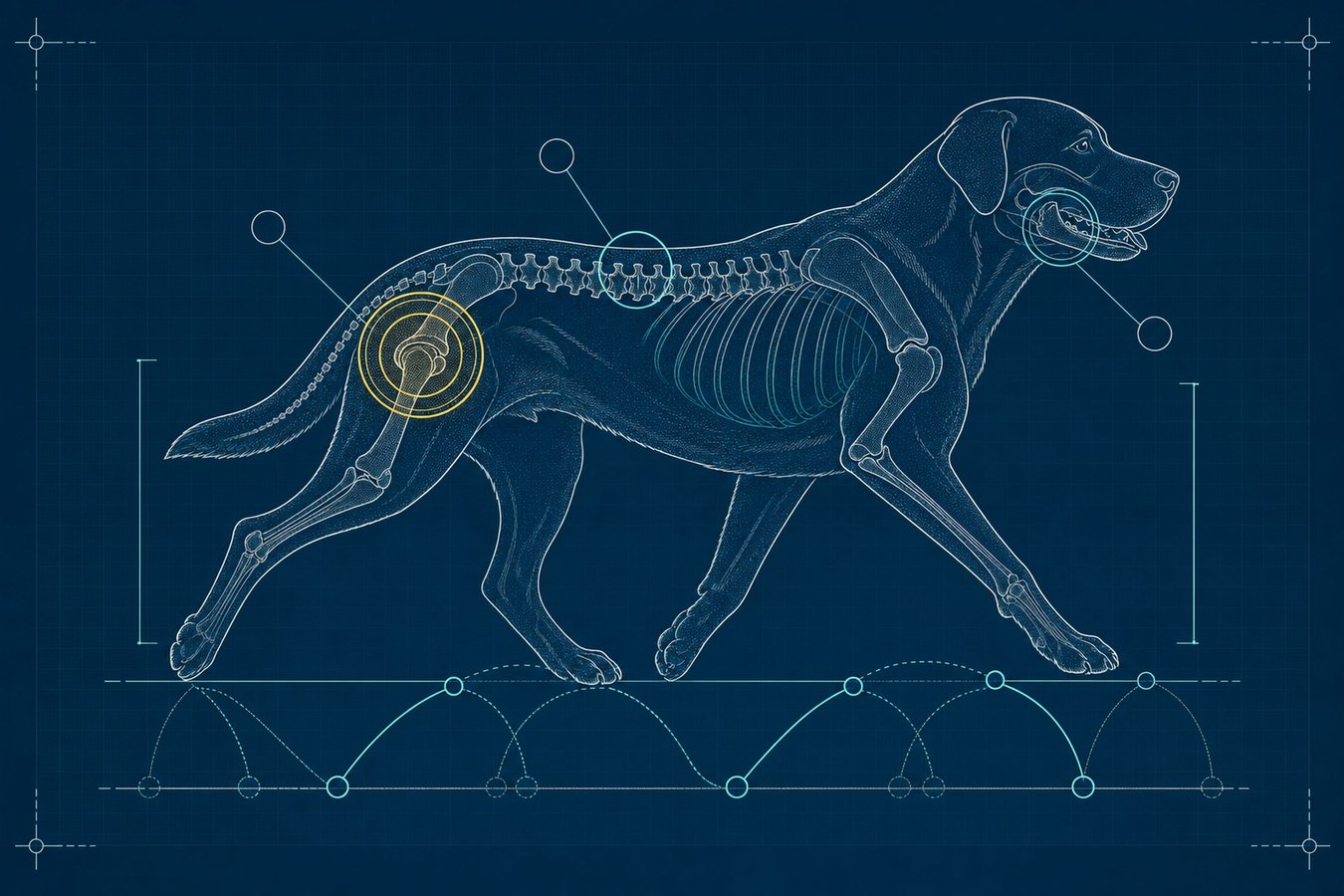
Blueprint schematic of an adult dog in side profile with hip, spine, and jaw pain-point callouts and a gait arc tracing its motion path.
Research & Innovation Fund

The Hidden Pain Project

Aggression, fear, avoidance, and sudden training regression may sometimes signal physical pain rather than a behavior problem. This research investigates how often undiagnosed pain drives behavior concerns and builds practical screening tools for families, trainers, and veterinarians.

Be one of the first to fund this phase

$25,000 first-phase goal · Just launched

Goals extend as each phase completes and the next stage of the study opens for funding.

This research is still being organized. Tell us you are interested, and the Foundation will follow up as intake for this study opens. Sharing interest is not an application.

This gift is restricted to the Research & Innovation Fund and can only be used for that purpose.

About this campaign

The story behind this campaign

Dogs cannot tell us that their back hurts, their joints ache, their stomach is uncomfortable, or a movement has become painful. Instead, discomfort may appear through behavior.

A dog may begin avoiding touch. Another may growl when approached while resting. A previously social dog may become irritable around other animals. A well-trained dog may suddenly refuse familiar cues, struggle to settle, or react during ordinary handling.

These dogs may be described as stubborn, dominant, fearful, aggressive, or resistant to training when their behavior may be communicating something deeper.

The Hidden Pain Project is a proposed research initiative of the Partners Dogs Foundation created to study the connection between physical discomfort and canine behavior. Our goal is to help families and professionals recognize when a behavior concern may require veterinary investigation before, or alongside, training and behavior modification.

The Problem

Pain and behavior are often evaluated through separate systems. Dog trainers may observe behavior without access to complete medical information. Veterinarians may evaluate physical health without seeing the dog's behavior in its home or training environment. Families may assume gradual changes are caused by age, personality, disobedience, or stress. This separation can delay effective care.

Potential signs of discomfort may include:

  • New or escalating aggression
  • Sensitivity to touch or handling
  • Reluctance to sit, lie down, jump, climb, or enter a vehicle
  • Changes in sleep or resting location
  • Reduced play or social interaction
  • Increased anxiety or inability to settle
  • Sudden house-training changes
  • Training regression
  • Increased reactivity around dogs or people
  • Avoidance of grooming, veterinary care, or equipment
  • Changes in appetite, posture, movement, or facial expression

No single behavior proves that a dog is in pain. The concern is that patterns of behavior may not be consistently recognized as reasons for further medical investigation.

Why This Research Matters

Earlier recognition of physical discomfort could:

  • Reduce the risk of preventable bites or defensive behavior
  • Prevent painful dogs from being misunderstood
  • Improve veterinary referral decisions
  • Reduce inappropriate escalation of training pressure
  • Improve cooperation during handling and medical care
  • Support more humane behavior plans
  • Improve the quality of life of aging dogs
  • Help shelters and rescues identify medical contributors to behavior
  • Give families clearer explanations for sudden behavior changes
  • Strengthen collaboration between veterinarians and dog-training professionals

Proposed Study Design

Participating dogs may complete a combination of:

  • A structured behavioral and medical-history questionnaire
  • Standardized observation by qualified dog-training professionals
  • Video collection of walking, sitting, lying down, rising, climbing, playing, and handling
  • Veterinary examination through an approved clinical partner
  • Mobility, posture, sleep, or activity monitoring
  • Quality-of-life assessments
  • Follow-up observations after veterinary-directed treatment or rehabilitation
  • Longitudinal tracking of training and behavior outcomes

The project would not intentionally cause pain or provoke dangerous behavior. Medical diagnosis and treatment would remain under the direction of licensed veterinary professionals.

Expected Research Outputs

The project may produce:

  • A trainer-facing pain and behavior screening checklist
  • A pet-parent educational guide
  • A veterinary referral decision tree
  • A standardized intake questionnaire
  • A movement and behavior video protocol
  • Continuing education for trainers and veterinary teams
  • Shelter and rescue screening recommendations
  • Peer-reviewed research findings
  • An anonymized research dataset
  • Recommendations for integrated veterinary and behavior care

Ways to Fund This Project

  • $25 - Support One Research Questionnaire: Helps process one participant's behavior, lifestyle, and health information.
  • $75 - Support One Remote Screening: Helps review structured behavior reports, videos, and follow-up information.
  • $250 - Sponsor One Dog's Initial Research Assessment: Supports intake, behavioral observation, data collection, and research administration.
  • $1,000 - Sponsor a Small Participant Cohort: Helps several dogs complete standardized assessments and follow-up.
  • $5,000 - Fund a Research Workstream for This Phase: May support equipment, veterinary collaboration, data analysis, or participant recruitment.

Gifts to this campaign are directed through the Research & Innovation Fund.
Frequently asked

Giving FAQ

Giving FAQs are being finalized. Contact the Foundation with any question in the meantime.

Trust & transparency
Legal name
The Partners Dogs Foundation, Inc.
EIN
88-3606092 · 501(c)(3) public charity, exempt since 2022
Where this gift goes
This gift is restricted to the Research & Innovation Fund and can only be used for that purpose.

Ready to help The Hidden Pain Project?